Creative English Teacher — World Literature
More than Scenery: Using Reader's Theater to Teach Setting in AP Literature
British Literature Heroes and Monsters Readers Theater Script-Stories Teaching Ideas World Literature
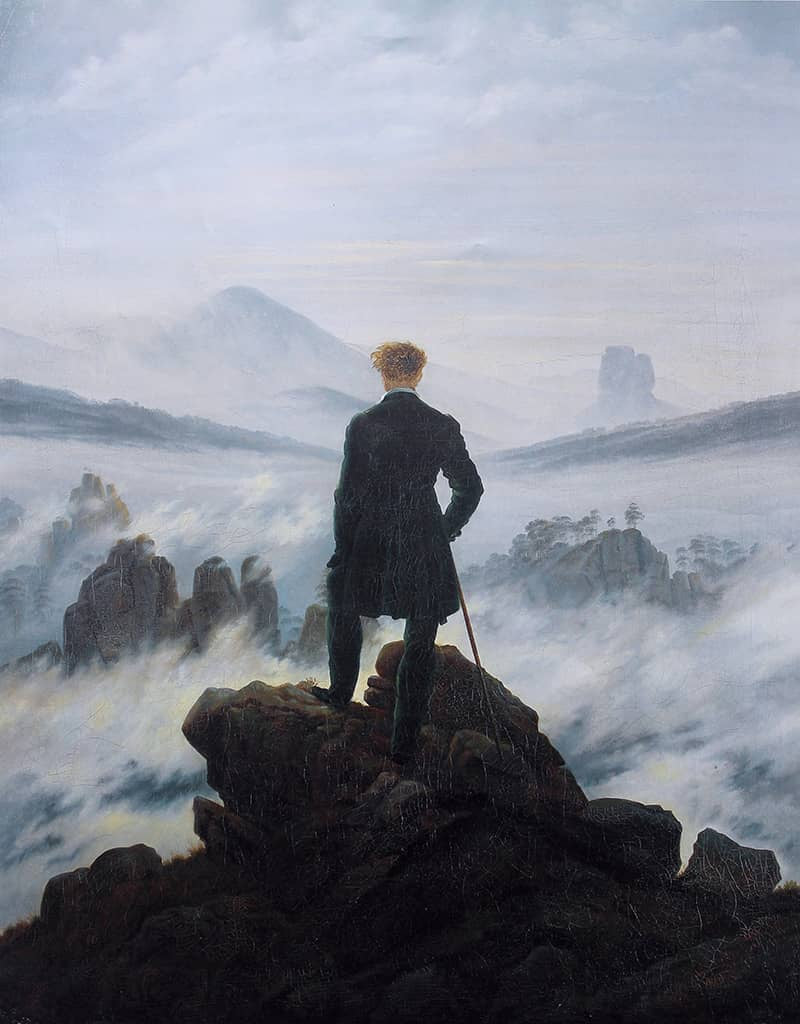
I know that Reader’s Theater is much more than a “fluff” assignment. When thoughtfully incorporated into secondary English Language Arts instruction, it can be a powerful tool for teaching literary analysis, exploring character development, and understanding how authors use literary elements like setting to shape a story. That's exactly what our guest blogger, Daniel Bennett, a fellow teacher, demonstrates in this post. He shares his experiences using Reader’s Theater in AP Literature, including a creative Frankenstein lesson that helps students explore the deeper significance of setting in literature. I'll let Dan take it from here!
The Odyssey Is Having a Moment
Heroes and Monsters Mythology Readers Theater Script-Stories The Hero's Journey World Literature
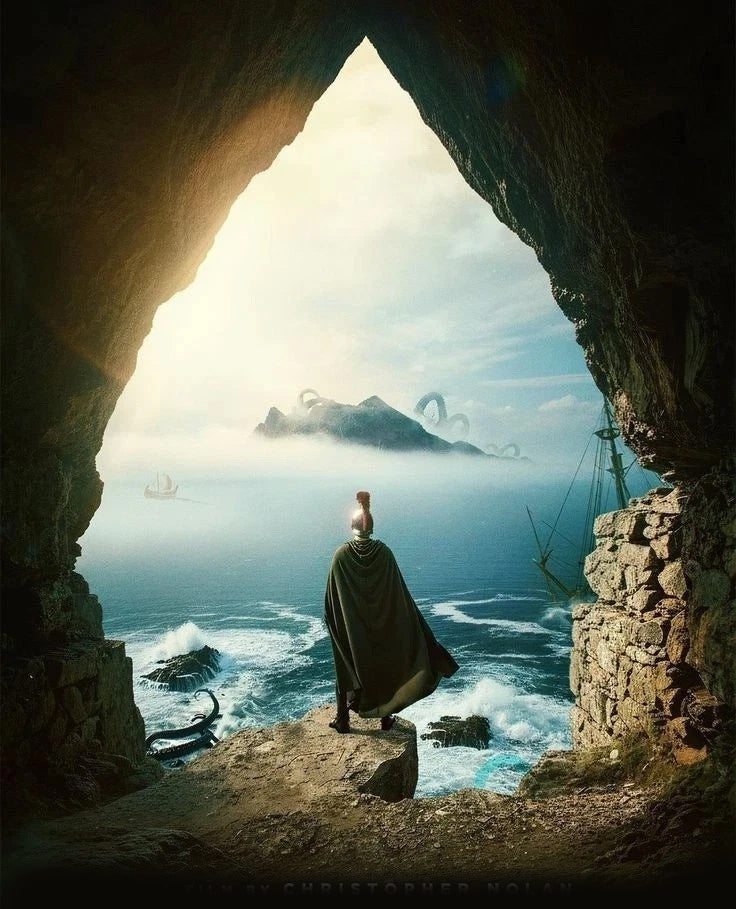
The Odyssey is an unqualified hit, and the man responsible for this stunning tour de force has been toasted far and wide. Critics have even suggested that it surpasses its creator's previous effort in popularity—a claim that once seemed unthinkable—and may ultimately be remembered as his defining masterpiece! Oh, and apparently there’s a movie, too. I'm not here to review Christopher Nolan's The Odyssey (2026). Whether it's brilliant, disappointing, or somewhere in between isn't really the point. Here's what I do know: The Odyssey—Homer's epic poem, that is—will almost certainly enjoy another surge in popularity. Every major adaptation of a beloved work reminds people...
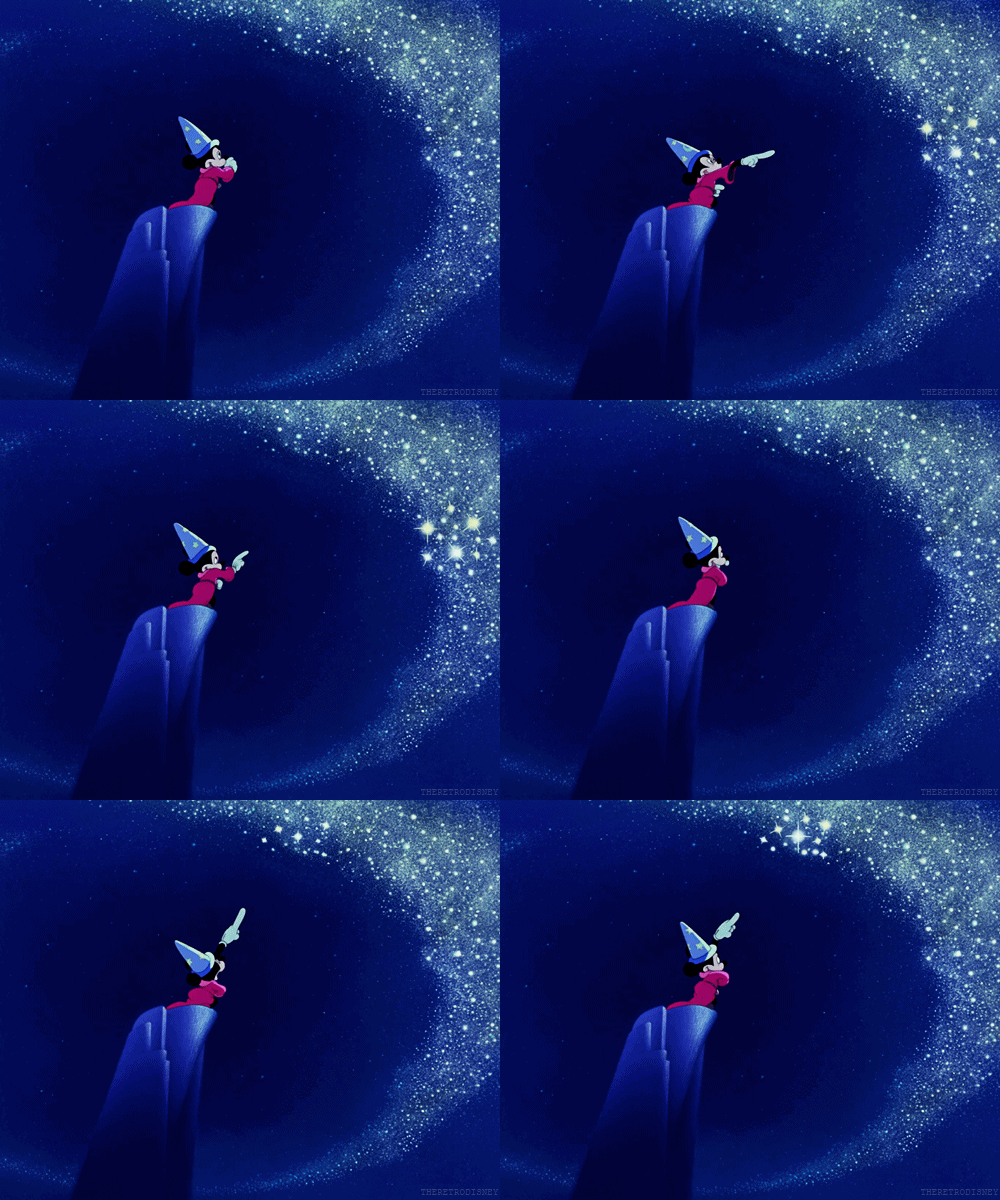
The Enchanting History of "The Sorcerer's Apprentice": Teaching the Various Adaptations of This Famous Folktale by Integrating Poetry, Music, and Art
British Literature Heroes and Monsters Mythology Readers Theater Script-Stories The Hero's Journey World Literature
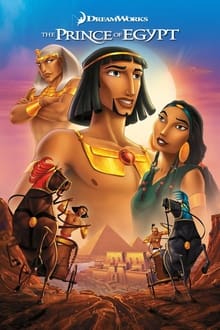
Five Reasons to Teach The Prince of Egypt (1998)
Five Reasons To Teach Series The Hero's Journey World Literature
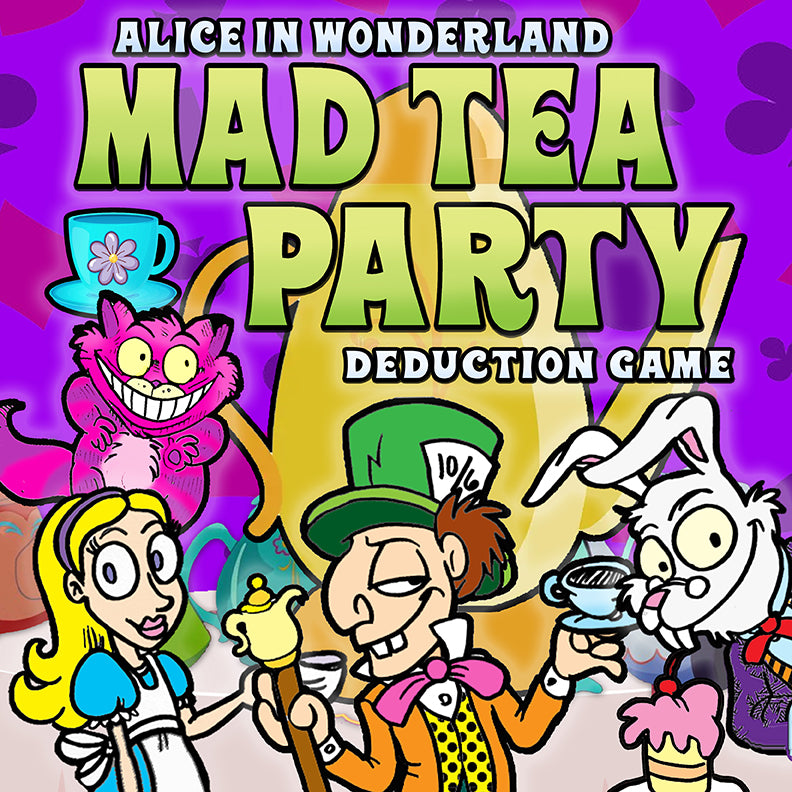
Mad Tea Party: An Absolutely Mad Spin on a Classic Game
British Literature Children's Literature Gamification World Literature