It’s no secret that I’m a fan of classic Disney animation and Walt Disney himself. One of his most creative endeavors was Fantasia (1940), an entire animated feature based around classic animation. Its most enduring segment is “The Sorcerer’s Apprentice,” a folktale I have also adapted into a Reader’s Theater script-story. Here are 8 Fun Facts about “The Sorcerer’s Apprentice” from Fantasia. “The Sorcerer’s Apprentice” was developed as a project to restore the popularity of Mickey Mouse. Since the mid-1930’s, Mickey had gone from being Disney’s most popular character to being upstaged by the likes of Goofy, Pluto, and especially...
While many folktales have been adapted over the centuries, none has a richer (and varied) list of adaptations than "The Sorcerer's Apprentice." This post explores the classic folktale "The Sorcerer's Apprentice," its many adaptations (including a Reader's Theater script-story version), Paul Dukas's classical masterpiece based upon it, and Walt Disney's innovative masterpiece Fantasia (1940)—along with strategies for teaching these various adaptations in a classroom setting. You will see that "The Sorcerer's Apprentice" is perfect for a lesson integrating literature, folklore, poetry, music, and art.
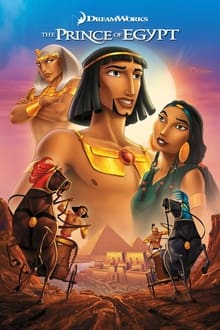
DreamWorks' The Prince of Egypt (1998) is an animated classic, and its powerful retelling of the story of Moses is the perfect way for students to experience this world-famous epic.
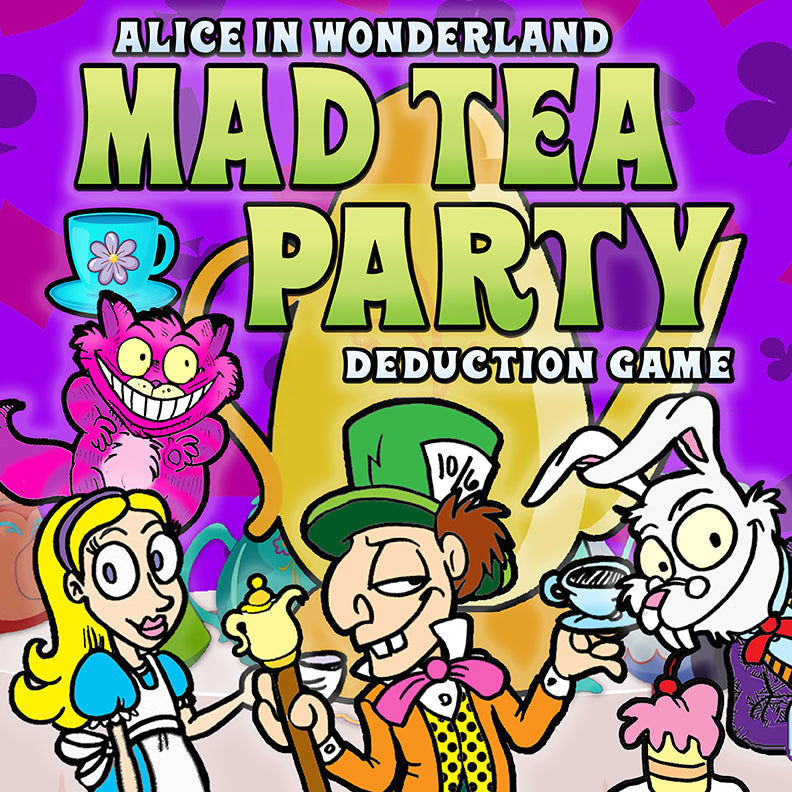
Mad Tea Partyremixes the concept of multiplayerGuess Who? with the characters ofAlice in Wonderland.In this game, you take on the secret identity of one of 20 characters from the classic novel–including fan favorites like the Mad Hatter, Tweedledee, and Tweedledum, but also deep cuts like Humpty Dumpty, the Walrus, and the Mock Turtle. Your task? To keep your identity a secret while discovering the identity of your fellow players. You do this by asking “yes” or “no” questions related to a set list of characteristics: Are you an animal? A human? Are you wearing a hat? Are you drinking tea? etc. If a player’s identity is discovered, the discovering player receives a point and play continues. You draw a new identity card and continue playing.